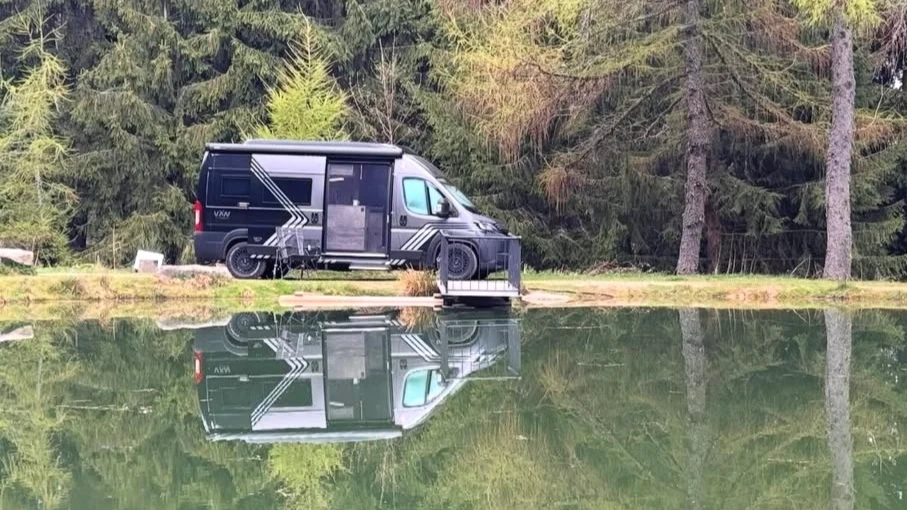
Architects often say that it's only the second house they build for themselves that turns out truly perfect. Only the second time around do you really know what matters. The same holds true for campervans, as Thomas "Acky" Lengsfeld's story shows.
Acky runs the campervan brokerage Acky and creates the YouTube channel Vanfan on Tour. He tests and rents out camping vehicles professionally, so his perspective isn't based on a single trip, but on years of experience across many different vehicles. He bought his first own van in 2018. From there, his passion, and eventually his business, around campers grew step by step.
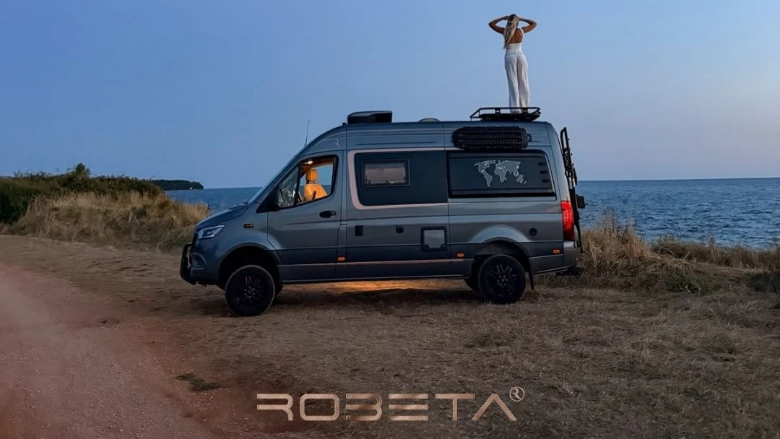
He started with a Robeta Apollo on a Citroën Jumper base. To test the difference in living space for himself in everyday travel, he later switched to a larger, semi-integrated motorhome. That experience led him quickly back to Robeta, this time to a compact, extremely maneuverable Robeta Helios van.
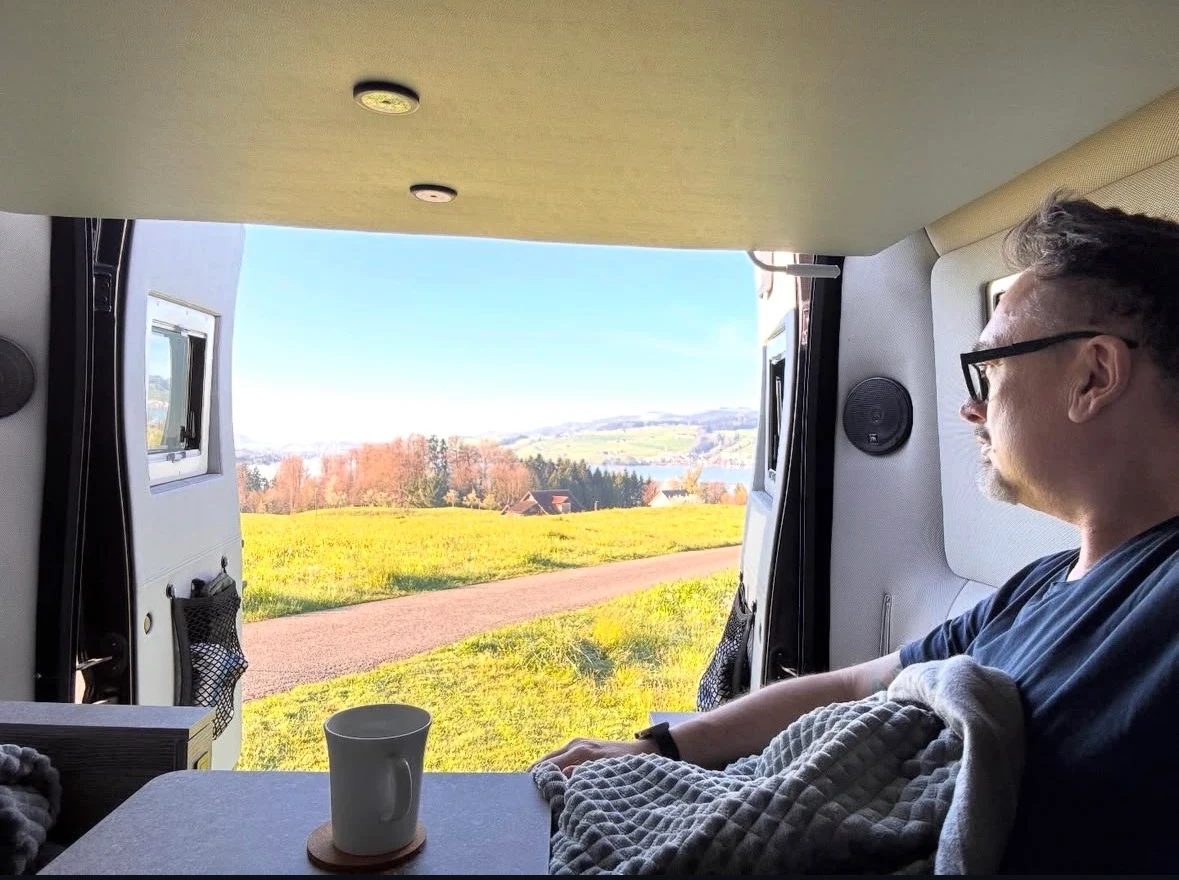
More Space, More Comfort? Not Necessarily
The switch to the larger motorhome was initially a pragmatic decision: more space, more comfort. But real-world travel told a different story.
"People often assume more space automatically means more comfort. That's not the case."
What genuinely improved was the sense of space on rainy days and during longer stays in one place. What didn't pay off was the extra size while driving, and flexibility. That extra room comes at the cost of noticeable stress when choosing a route or finding parking, especially on narrow coastal roads in Southern Europe, in small Italian mountain villages, or when hunting for a spontaneous spot near the beach.
"When you have to head for three different campsites just because you don't fit into a normal car parking spot, you lose exactly the spontaneity that makes vanlife what it is."
Van vs. Larger Motorhome
For anyone still torn between a compact van and a larger motorhome, Acky has a clear comparison.
"The van wins in every dynamic discipline: crosswind stability, cruising speed on the motorway, turning in tight spaces, and simply being able to park in a normal hiking car park. The motorhome only earns its keep once the engine is off and you're staying in the same spot for days."
He also recognizes real advantages of the larger motorhome: garage space for bikes and a huge payload reserve. For his personal travel style, though, that wasn't decisive in the end, because it limits freedom on the road too much.
His rule of thumb for anyone still undecided:
"Are you someone who enjoys the journey, or someone who settles at the destination? If you move on every 2–3 days, love mountain passes, and enjoy stopping on a whim, you need the van. If you park at the same campsite for three weeks and use the living space like a holiday home, go for the motorhome."
Why He Came Back to Robeta
Two things tipped the scale toward returning: how the vehicle drives, and the quality of the build.
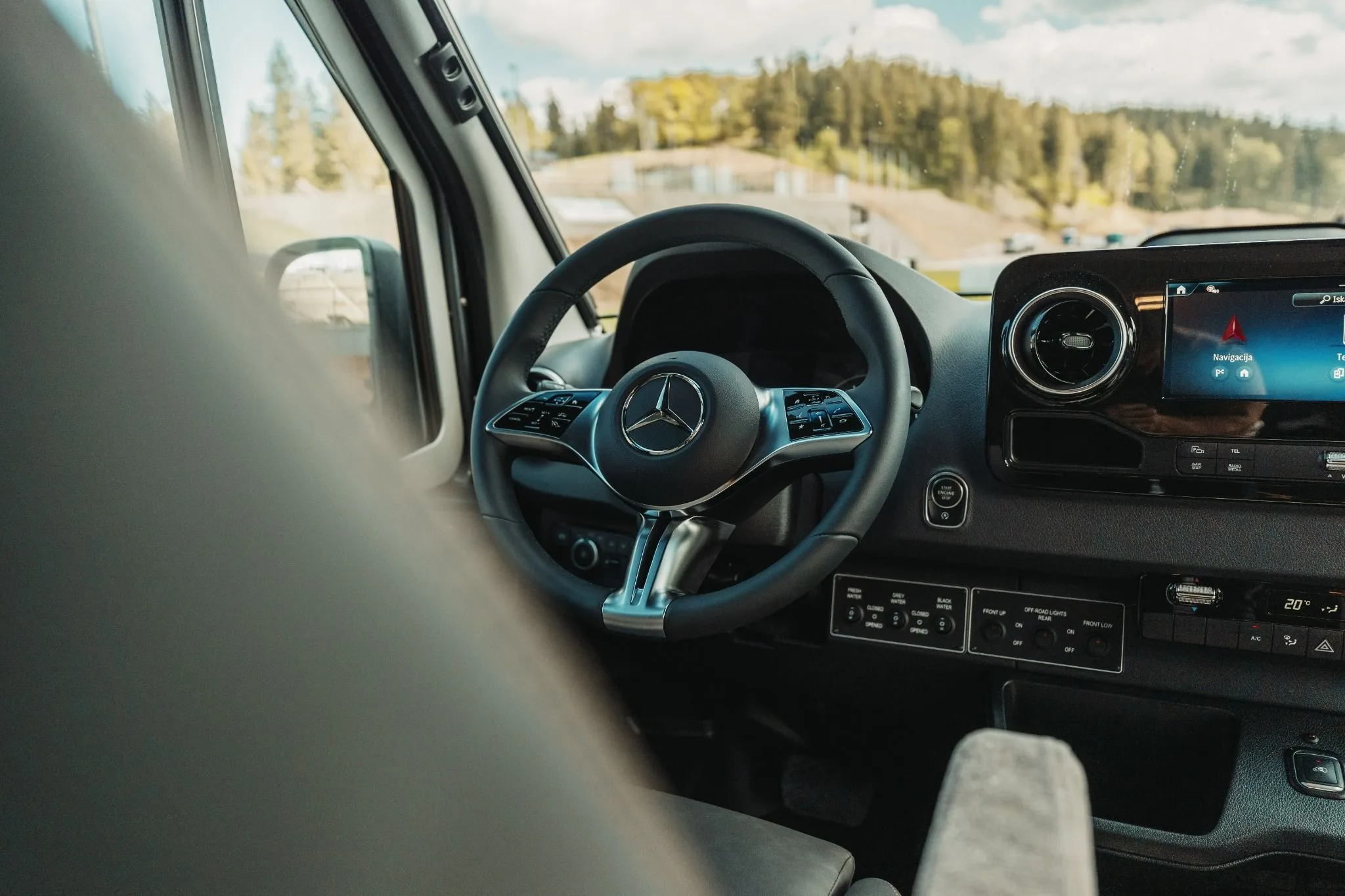
"A Robeta drives like a car. You get in, cruise relaxed through any city center, and park inconspicuously anywhere. On top of that, I simply missed the build quality of Robeta's furniture when I was driving a classic series-built motorhome."
What ultimately convinced him was the combination of lightweight construction, build quality, and insulation. The insulation makes a noticeable difference to interior climate and driving noise, in both summer and winter.
One very specific moment sealed the decision:
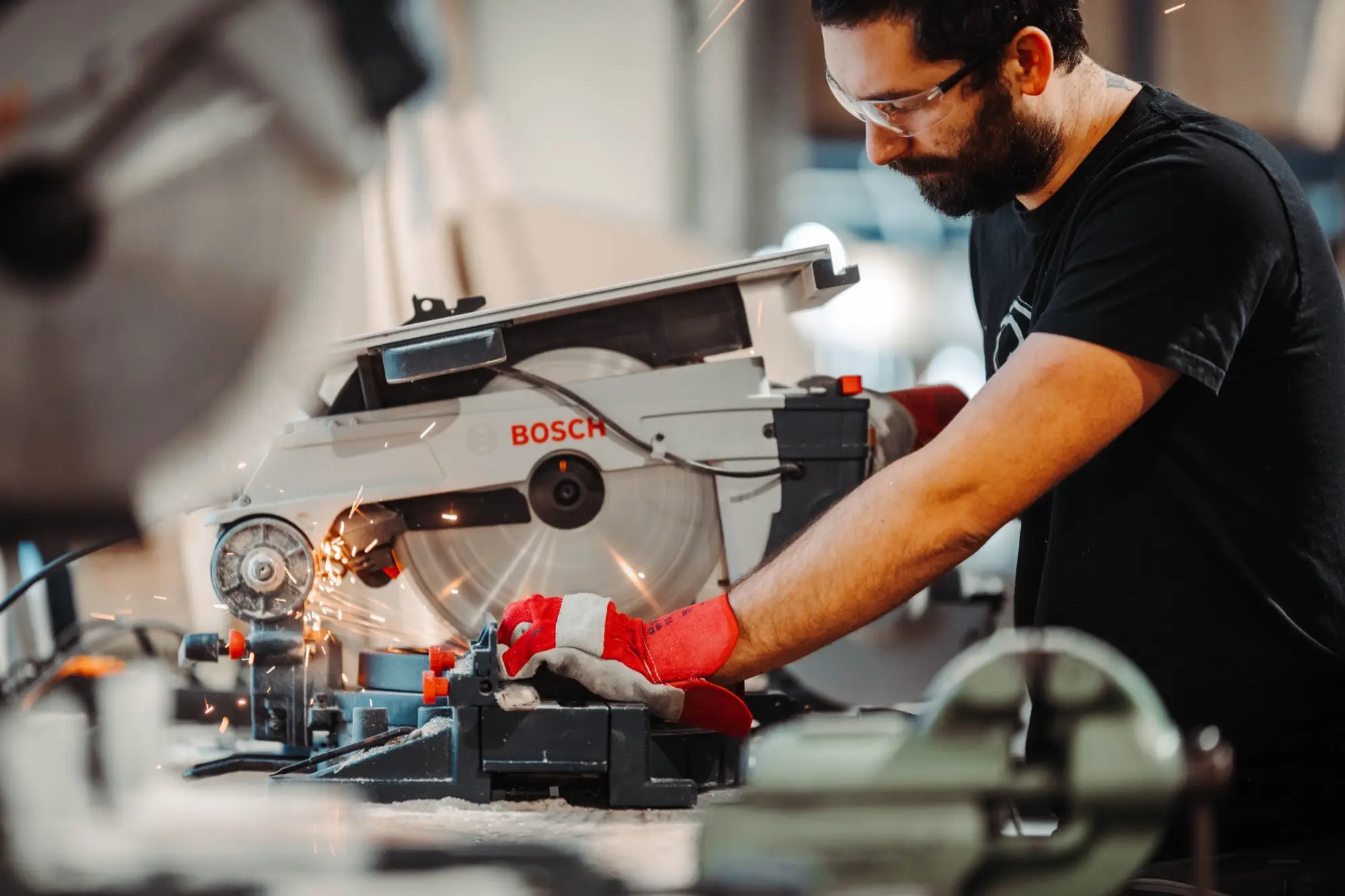
"The moment you close the cabinets and feel it: nothing rattles, there's real craftsmanship at work. Especially on rough roads, you hear no noise at all from the furniture. That's what sets Robeta apart from mass-produced vans."
What Actually Mattered the Second Time Around
With his first Robeta, the focus was more on looks. This time, he knew exactly which technology makes everyday life easier: real self-sufficiency and functional electrics, with a large lithium battery, a charge booster, and solar, to be fully independent from mains power. Robeta was also best able to deliver on what he needed for business camping.
This time, he deliberately skipped unnecessary extras inside, things like TV/SAT systems or oversized cabinet structures that only add weight and eat into the sense of space.
"You always end up bringing too much anyway."
What surprised him was how little he missed a large bathroom. In practice, you often end up using showers at campsites, or showering outside. A compact, well thought-out sanitary setup in the van is more than enough.
His Advice for Anyone Configuring Right Now
Asked about the three most important questions to ask before configuring, Acky answers:
Where and how do I sleep best (longitudinal vs. transverse bed)?
How important is genuine off-grid freedom to me (self-sufficiency & insulation)?
How much payload will actually be left once I've added the extras I want?
He's clear about the most common mistake he sees other buyers make:
"Saving in the wrong places, namely on insulation, windows, and electrics, in order to spend on visual luxury instead. A beautiful table is worthless if your onboard systems give out after one night without mains power."
And his tip for first-time buyers:
"Rent before you buy. Test different floor plans under real conditions, in rain and cold, not just in the sunshine at a trade show."
Acky's Most Important Piece of Advice
"Configure the vehicle for how you actually travel, not for the theoretical what if that might happen once a year. Less ballast means more freedom on the road."
Takeaway
Acky's journey, from Robeta to a larger motorhome and back again, shows what really matters in a campervan: not maximum space, but the vehicle that fits your own travel style. Anyone who asks themselves the same questions Acky did is a big step closer to their own, perfect configuration.