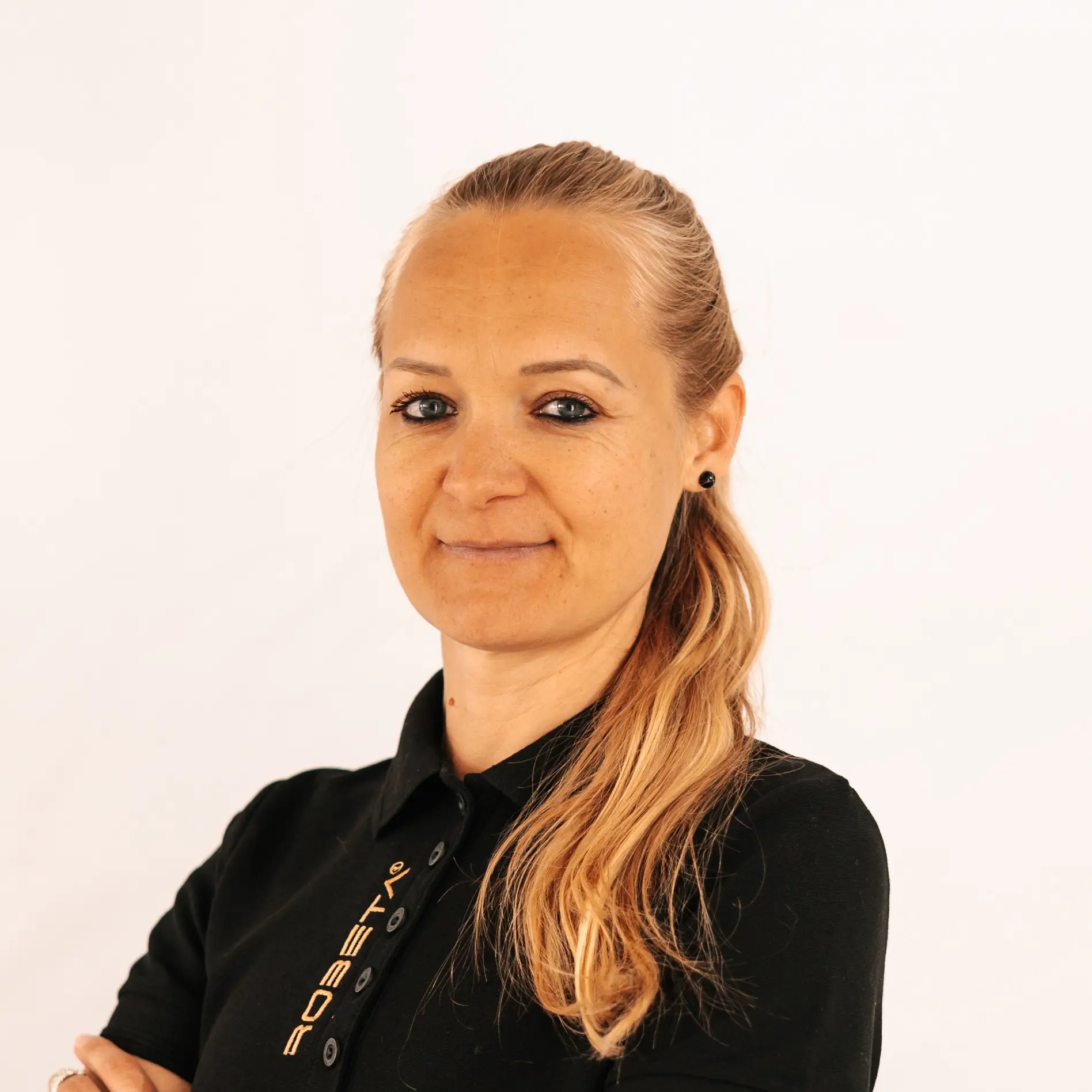
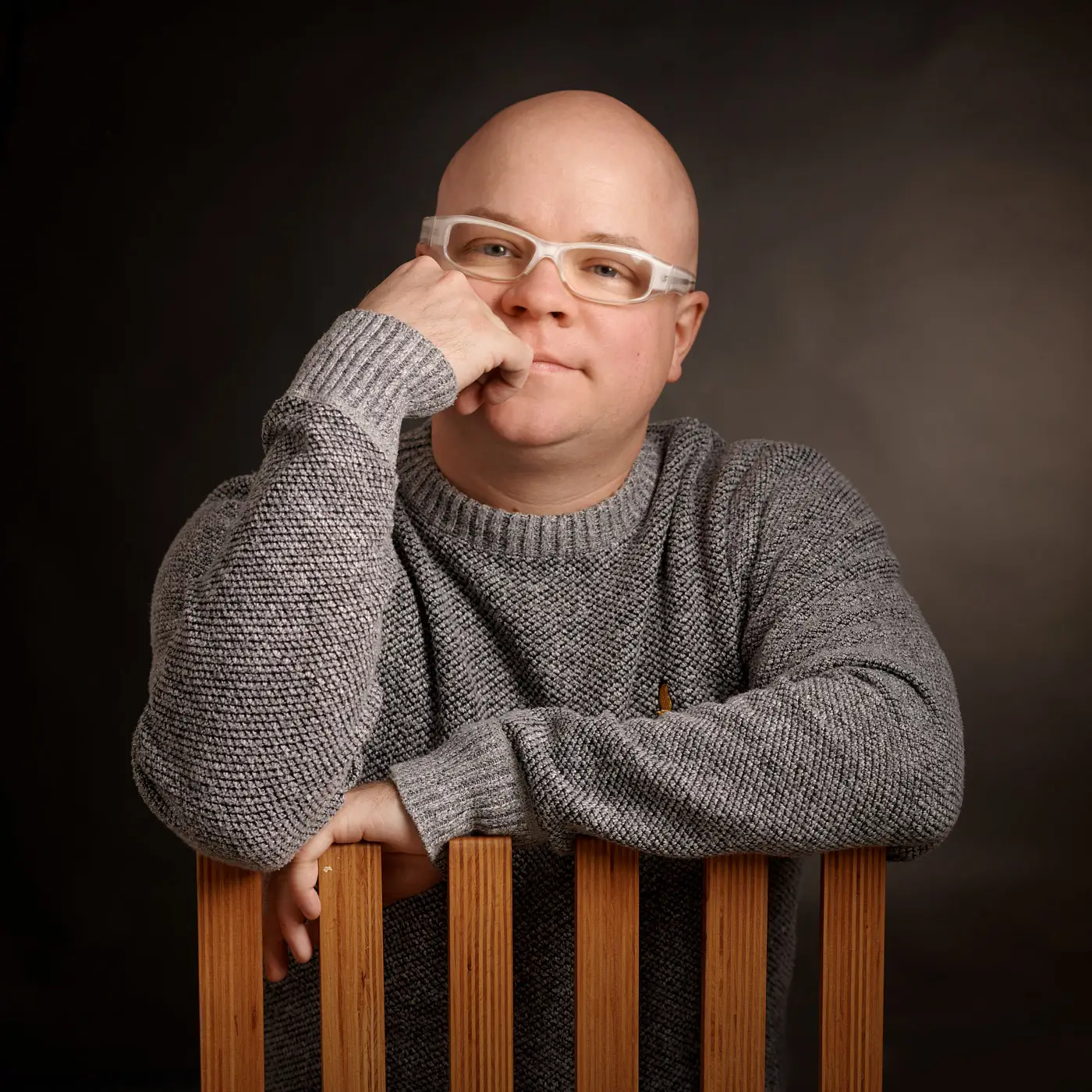
There's a sketchbook somewhere from Luka Zajc's school days, covered in drawings. Not notes — drawings. Cars, mostly. Sometimes boats. The teachers probably weren't thrilled. But those sketched-up exercise books turned out to be the beginning of a career that has taken him from nautical design to campervans — and since 2017, to shaping the look and feel of every Robeta model.
We sat down with Luka to talk about what it actually means to design a campervan — the tensions, the trade-offs, and the moments when a small detail turns out to matter more than anyone expected.
A Designer Who Thinks in Confined Spaces
Luka came to campervans through nautical design — a discipline that shares more with vanlife than most people expect. Both ask the same fundamental question: how do you create a complete, comfortable living environment when space is non-negotiable?
"What I bring to Robeta is a synthesis of more than 30 years of nautical user experience and more than 20 years of design experience. In both boats and campervans, every centimetre counts. Every decision affects the experience."
Alongside his work on Robeta's models, Luka continues to maintain the breadth that other projects bring him. It shows — in the way Robeta's interiors feel considered rather than assembled.
What Sets Robeta Apart
Ask Luka what distinguishes Robeta from other campervan manufacturers, and he doesn't reach for a spec sheet. He reaches for a feeling.
"Refined elegance and timeless modernity. When you step into a Robeta, you feel at home immediately. That's not an accident — it's the result of finding the right balance between a fresh design approach and something that doesn't go out of style."
The team at Robeta, he says, works by a simple but demanding principle: usability first.
"Every corner used, every detail considered. Not as a slogan — as a working method."
Aesthetics, usability and a sense of refinement walk hand in hand at Robeta. Each of these components must be considered and executed to the end before we dare weave it into a Robeta.
The Constant Tension: Form vs. Function
In a campervan, the tension between how something looks and how well it works is never fully resolved. It's managed, negotiated, and revisited with every model.
"In the small spaces we work with, this tension is constant. We start from form follows function — we first ask what is functionally best for the user. Then I make sure that function is packaged beautifully."
It sounds simple. In practice, it means that a beautifully curved surface gets reworked if it costs a drawer's worth of storage. That a lighting detail gets reconsidered if it creates a shadow over the kitchen bench. The aesthetic ambition is real — but it earns its place.
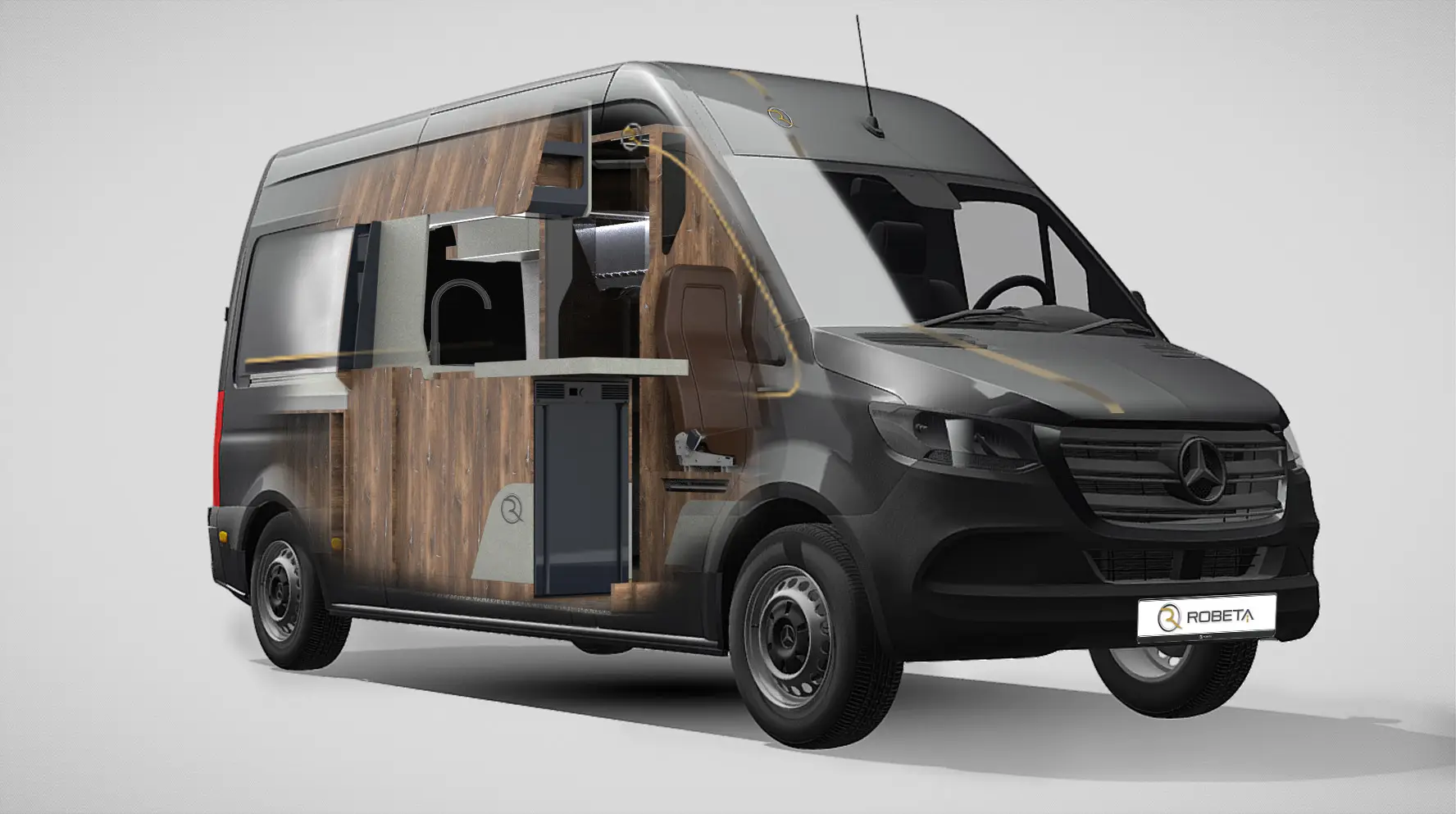
Materials like ARMAFLEX™ insulation and Air Furniture Technology™ play into this in a less obvious way. They don't directly dictate design decisions, but they open up possibilities.
"These materials have their own properties that contribute to better design. Even if they don't influence the design directly, they free up potential — design and usability potential — that we can use elsewhere. They help us create a more pleasant living environment inside Robeta."
In other words: these technical solutions may not determine how a drawer looks or where a window goes — but they free up potential that a designer can direct wherever it's needed most.
The Models — and the One That Stands Out
Since joining Robeta, Luka has been involved in all of the brand's models — Apollo, Helios, Kronos, Dionysus, and the many editions and variants that have grown from them.
Asked which one he's most proud of, the answer comes quickly: Adonis.
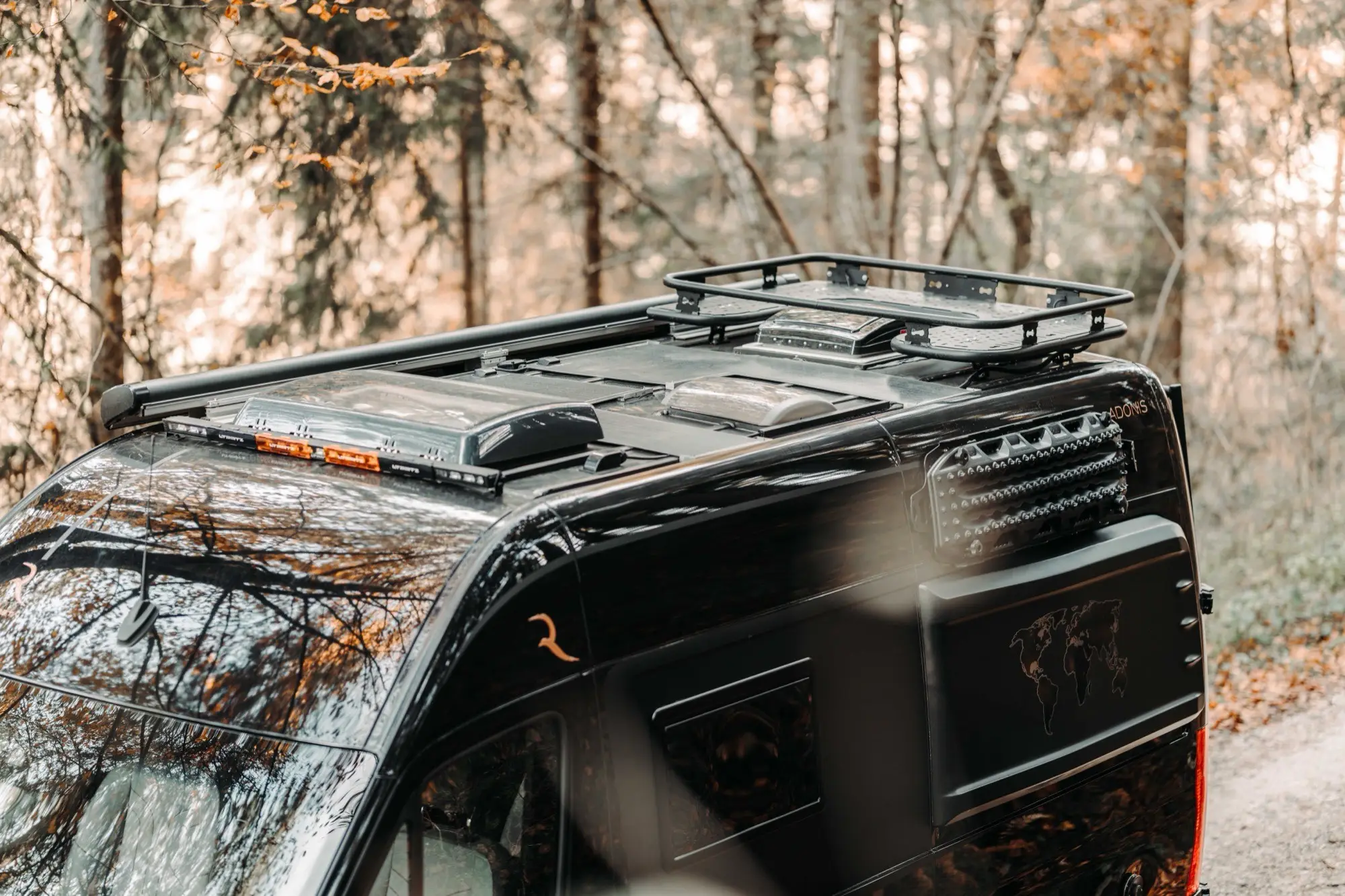
"Every project has its own story, which I value in its own way. Every project has a detail that stands out. But I'm probably most proud of Adonis. It earned us the Campervan of the Year award. And it was a premium model where I could genuinely push boundaries — both aesthetic and functional — starting from a completely blank page."
Two features of Adonis stand out for him as the most significant achievements: the pull-out Kerrock counter with an integrated sink, and the bathroom with a door system that opens 180 degrees. Both are solutions that look elegant and function elegantly — which, in a campervan, is harder than it sounds.
What Owners Actually Notice
Luka is careful to distinguish between what he considers important and what owners actually respond to.
"I try to give maximum attention to every detail, so it's hard for me to call anything minor. Some details feel more important to me than others — but it's only through conversations with customers that I find out what matters most to them."
What conversations with customers reveal, then, is what truly counts. And when something isn't received as intended, it gets addressed as quickly as possible. There's no attachment to decisions that don't serve the people living in the van.
A Tale of Two Customers
One of the more surprising insights Luka shares is how differently customers across Europe experience the same campervan.
"Buyers from different countries across Europe have completely different views on usability, aesthetics, and priorities."
The differences are significant enough that he describes two broad types: the Northern European and the Mediterranean.
"The Northern European type is very attached to classic layouts — the kind Robeta already knows well. The decor choices lean toward wood tones, perhaps slightly restrained. All components are tried and tested, from recognised manufacturers."
The Mediterranean buyer is a different story.
"They want fresher colour combinations. They're not afraid to try innovative, open layouts that go beyond the classic approach — even if that means some quality trade-offs, or a more experimental component."
Neither approach is wrong. But designing for both — maintaining a core that works across markets while leaving room for meaningful personalisation — is one of Robeta's quiet commitments. It's reflected in over 16,000 configuration options, which allow every individual buyer to shape a campervan that is entirely their own. The design just has to make all of those versions still feel like a Robeta.
Luka Zajc has been Robeta's designer since2017. His portfolio spans nautical design, industrial design, hotel interiors, and furniture. You can see more of his work at lukazajc.com.